Every preschool classroom should provide a variety of puzzles for their young students. Puzzles are a great way to help preschoolers organize and develop their critical thinking skills.

Dumping versus setting pieces aside
Some preschoolers prefer to just dump the puzzle out of the box or tray. Other preschoolers carefully remove one puzzle piece at a time. As a teacher, learn to observe the differences in how a child takes a puzzle apart or removes it from it's case. Does it seem to make a difference in whether or not the child can put the puzzle back together? For those who prefer the dumping method then quickly get frustrated when it comes time to put the puzzle back together, try encouraging these children to take the puzzle pieces out and lay them aside, all facing up, so they can see where the pieces might go back.

Floor puzzles
Have both floor puzzles and table puzzles available for preschoolers to explore. Make sure there is plenty of floor space for children to spread out the pieces and to work together to put the puzzle together. Some children are more interested in puzzles when they can work together with their friends. Other children prefer to work alone. Floor puzzles offer great opportunities for socialization, collaboration, and a team effort.
Keep puzzles organized and accessible
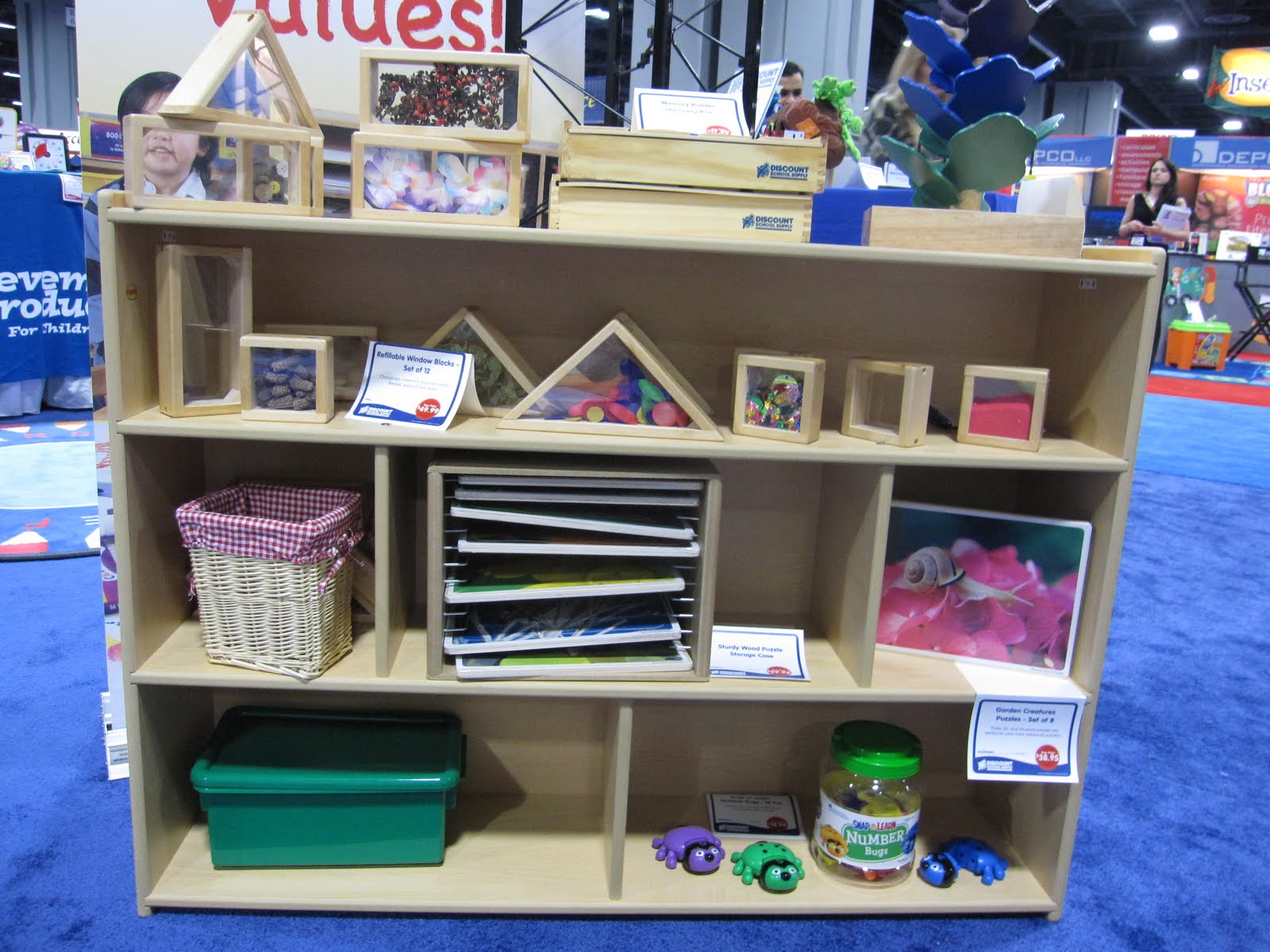
Teach your students to take good care of puzzles and place them in a designated place when they are finished so the pieces do not get lost or ruined. When you discover that a puzzle is missing pieces, then don't just leave it on the shelf anyway - remove it until you can replace the pieces or just get rid of it. There is no fun or satisfaction in putting together an incomplete picture. Make sure all the puzzles in your classroom come with all the pieces so preschoolers can successfully create a finished piece of work.
Teach children to recognize different parts of a puzzle
Especially for older children, draw their attention to the edge pieces, corner pieces, and center pieces. Help them to learn the differences and how those differences give clues as to how to put the puzzle back together.
Encourage a positive experience
If you are discovering that your students do not like puzzles there can be a number of reasons to think about. Are the puzzles too easy? Are the puzzles to hard? Are the puzzles in poor condition? Are the puzzles missing pieces? Is there a lack of space to enjoy putting the puzzle together? Are the children being given ample time to explore the puzzles and some support from the teacher to learn how to successfully complete a puzzle?

More kinds of puzzles
Although this blog is focused on table and floor puzzles, keep in mind that there are many other kinds of puzzles and manipulatives that can be put together and stretch a child's critical thinking skills. Provide a variety of both store bought and handmade puzzles in your classroom.
Be sure to Follow My Blog!
To read about games in the preschool classroom - click here!